


5,76€
En stock
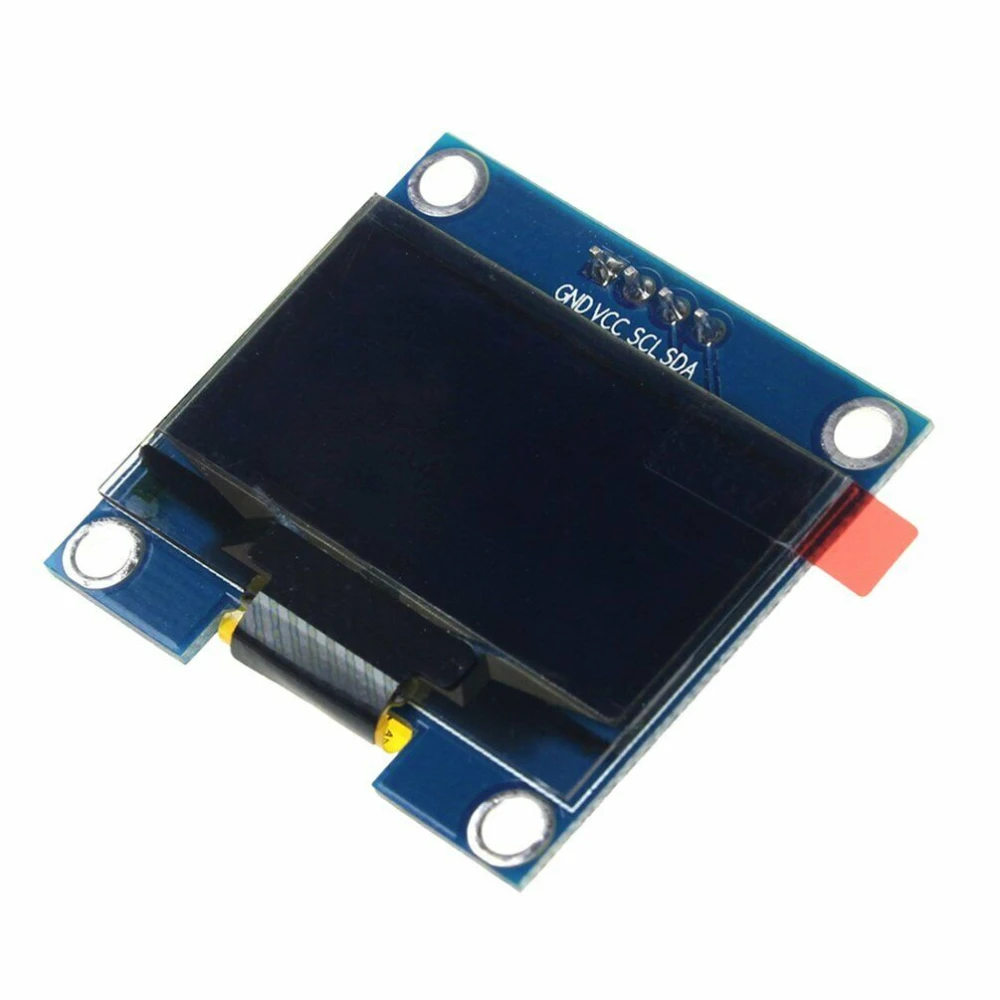
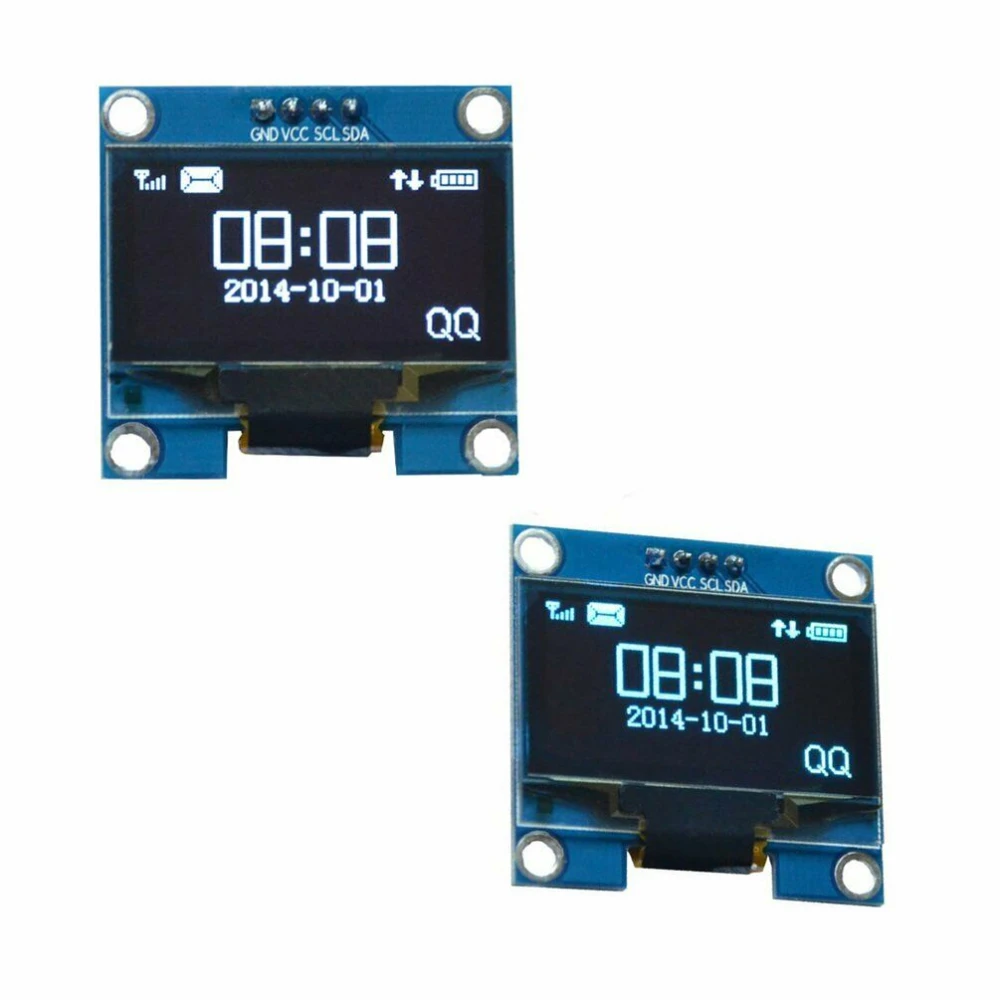
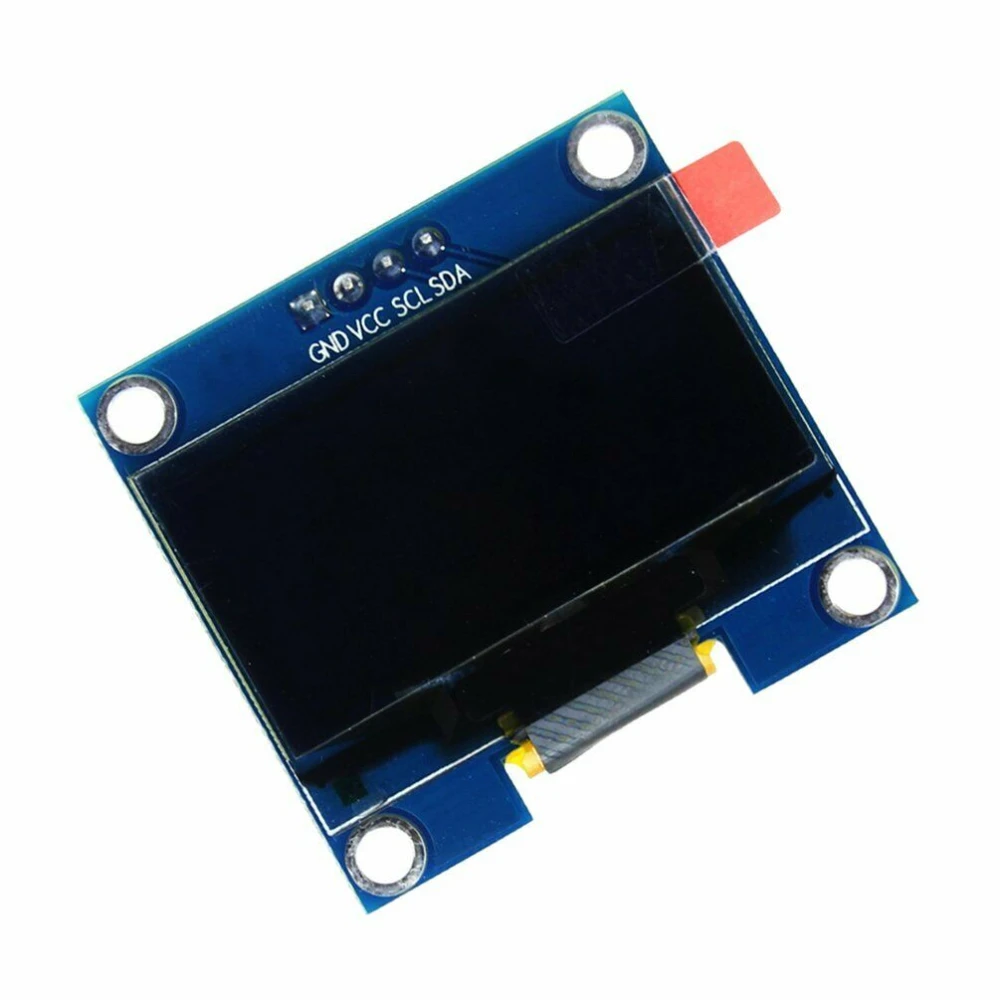
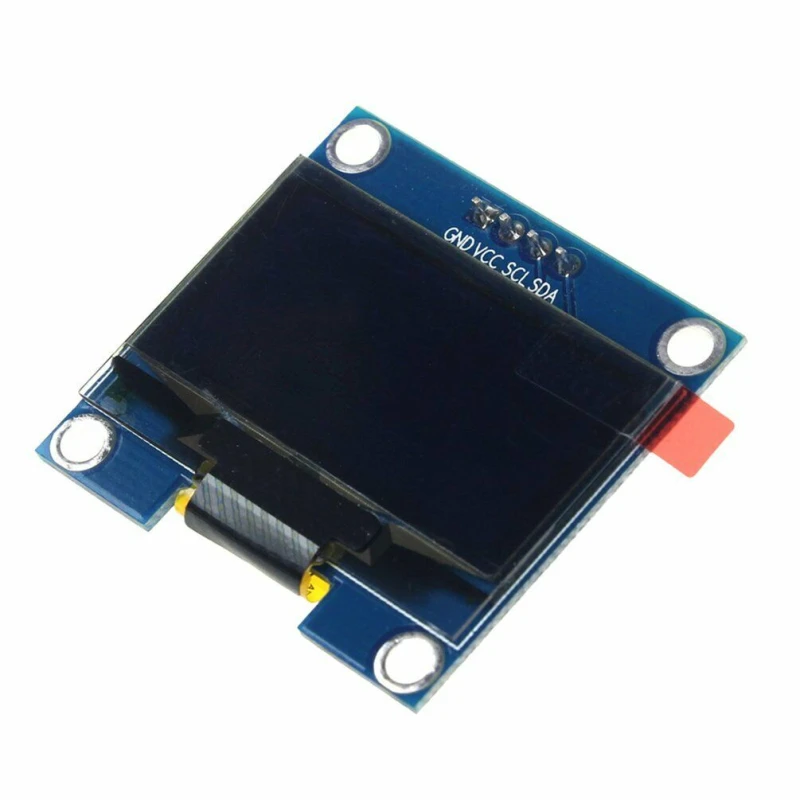
Ecran OLED 1.3 pouces Arduino SH1106 IIC 4 broches 128x64
Marque : satkit
5,76€
TVA incluse (HT : 4,80€)
Plus que 4 en stock - commandez vite !
Livraison standard
Mer, Avr 22 - Ven, Avr 24
Livraison express
Lun, Avr 20 - Mar, Avr 21
Retours sous 30 jours
Retours gratuits sous 30 jours
Transaction sécurisée


Share:
Livraison gratuite
Pour les commandes de plus de 300€
Retours faciles
Politique de retour de 30 jours
Paiement sécurisé
Paiement 100% sécurisé
Garantie de qualité
Produits d'origine uniquement
Le écran OLED 1.3 pouces Arduino SH1106 IIC 4 broches 128x64 est un module d’affichage compact et efficace conçu pour les projets Arduino nécessitant une interface visuelle claire et à faible consommation.
Caractéristiques principales :
- Format compact : 1.3 pouces avec une zone d’affichage de 29.42 x 14.7 mm, idéal pour les espaces réduits.
- Haute résolution : 128 x 64 pixels permettant d’afficher des graphiques et du texte avec netteté.
- Chip de contrôle SSH1106 : garantit une réponse rapide et la compatibilité avec les protocoles IIC.
- Interface IIC à 4 broches : connexion facile via les broches GND, VCC, SCL et SDA, compatibles avec la plupart des cartes Arduino.
- Source lumineuse auto-émissive : ne nécessite pas de rétroéclairage, offrant une forte luminosité et de larges angles de vision.
- Faible consommation énergétique : fonctionne avec des tensions de 3.3 à 5V, idéal pour des projets portables et efficaces.
- Large plage de température : fonctionne entre -40 et 70 °C, adapté à diverses conditions environnementales.
- Broches réversibles VDD et GND : facilitent la connexion et réduisent les erreurs de montage.
Utilisations typiques :
- Affichage de données dans des projets Arduino comme des capteurs, des horloges ou des systèmes de contrôle.
- Interfaces graphiques pour petits appareils électroniques.
- Projets à faible consommation où l’efficacité énergétique est essentielle.
Compatibilité : Ce module est compatible avec la plupart des cartes Arduino prenant en charge la communication IIC, ce qui facilite son intégration dans des projets existants ou de nouveaux développements.
Spécifications techniques :
- Taille : 1.3 pouces
- Résolution : 128 x 64 pixels
- Chip de contrôle : SSH1106
- Zone d’affichage : 29.42 x 14.7 mm
- Tension de fonctionnement : 3.3-5V
- Température de fonctionnement : -40 à 70 °C
- Interface : IIC (4 broches : GND, VCC, SCL, SDA)
- Couleur de la lumière : blanc
Contenu du colis :
- 1 x Module d’écran OLED 1.3'' SH1106 IIC 128x64 pour Arduino
- Écran OLED 1.3 pouces avec résolution 128x64 pour projets Arduino
- Interface IIC à 4 broches : GND, VCC, SCL et SDA pour une connexion simple
- Chip SSH1106 pour une grande vitesse et une réponse rapide
- Source lumineuse auto-émissive blanche, sans rétroéclairage
- Faible consommation énergétique, fonctionne entre 3.3 et 5V
- Large plage de température de fonctionnement : -40 à 70 °C
- Broches VDD et GND réversibles pour faciliter l’installation
Questions & Réponses des clients
Quins són els avantatges clau d’utilitzar una pantalla OLED SH1106 davant d’una LCD convencional en projectes amb Arduino?
La pantalla OLED SH1106 emet la seva pròpia llum (no requereix retroil·luminació), oferint un contrast més alt i un angle de visió ampli. A més, consumeix menys energia i respon més ràpid en comparació amb una LCD tradicional. En contrapartida, les pantalles OLED solen tenir una vida útil menor quan s’exposen a imatges estàtiques prolongades.
Quins problemes habituals poden sorgir en iniciar la pantalla i com es poden solucionar?
Els problemes més freqüents són manca d’imatge (per polaritat incorrecta a GND/VCC), adreces I2C no detectades o biblioteques incompatibles. Recomano verificar el cablejat, comprovar l’adreça I2C amb un escàner des d’Arduino i fer servir biblioteques específiques compatibles com 'U8g2'.
Quin rang de temperatures pot suportar sense fallades i afecta el rendiment en ambients extrems?
La pantalla opera entre -40 °C i +70 °C. Als extrems, poden aparèixer lleugers canvis en la brillantor o la velocitat de refresc, però dins del rang indicat el funcionament es manté estable sense degradació significativa en condicions normals.
What are the key advantages of using an SH1106 OLED display over a conventional LCD in Arduino projects?
The SH1106 OLED display emits its own light (no backlight required), offering higher contrast and a wider viewing angle. It also consumes less power and responds faster compared with a traditional LCD. On the downside, OLED displays usually have a shorter lifespan when exposed to prolonged static images.
What common problems can arise when starting up the display and how can they be solved?
The most common issues are no image (due to incorrect GND/VCC polarity), undetected I2C addresses, or incompatible libraries. I recommend checking the wiring, verifying the I2C address with an Arduino scanner, and using compatible specific libraries such as 'U8g2'.
What temperature range can it withstand without failure, and does performance change in extreme environments?
The display operates between -40 °C and +70 °C. At the extremes, slight changes in brightness or refresh speed may occur, but within the stated range operation remains stable without significant degradation under normal conditions.
What are the key advantages of using an SH1106 OLED display over a conventional LCD in Arduino projects?
The SH1106 OLED display emits its own light (no backlight required), offering higher contrast and a wide viewing angle. It also consumes less power and responds faster than a traditional LCD. On the downside, OLED displays usually have a shorter lifespan when exposed to prolonged static images.
What common issues can arise when starting up the display, and how can they be solved?
The most common issues are no image (due to incorrect GND/VCC polarity), undetected I2C addresses, or incompatible libraries. I recommend checking the wiring, verifying the I2C address with a scanner from Arduino, and using compatible specific libraries such as 'U8g2'.
What temperature range can it withstand without failure, and does performance change in extreme environments?
The display operates between -40 °C and +70 °C. At the extremes, slight changes in brightness or refresh speed may occur, but within the stated range the operation remains stable without significant degradation under normal conditions.
Vilka är de viktigaste fördelarna med att använda en OLED SH1106-skärm jämfört med en vanlig LCD i projekt med Arduino?
OLED SH1106-skärmen avger sitt eget ljus (ingen bakgrundsbelysning krävs), vilket ger högre kontrast och bred betraktningsvinkel. Dessutom förbrukar den mindre energi och reagerar snabbare jämfört med en traditionell LCD. Nackdelen är att OLED-skärmar ofta har kortare livslängd när de utsätts för statiska bilder under längre tid.
Écrire un avis client
Les clients ayant acheté cet article ont également acheté
Shield LCD Keypad LCD1602 compatible Arduino avec écran et boutons intégrés
4,80€
Plus que 10 en stock

Vos articles récemment consultés
 Ecran OLED 1.3 pouces Arduino SH1106 IIC 4 broches 128x64
5,76€