


8,64€
En stock
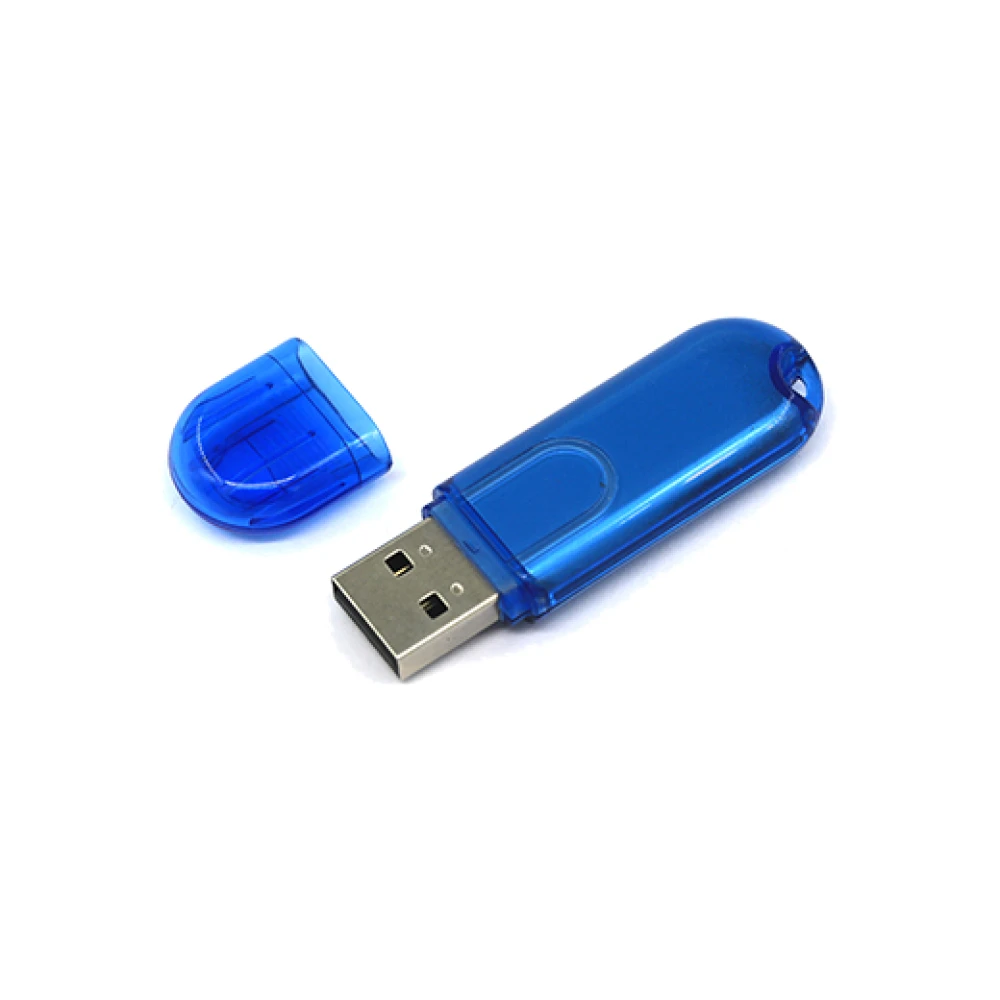
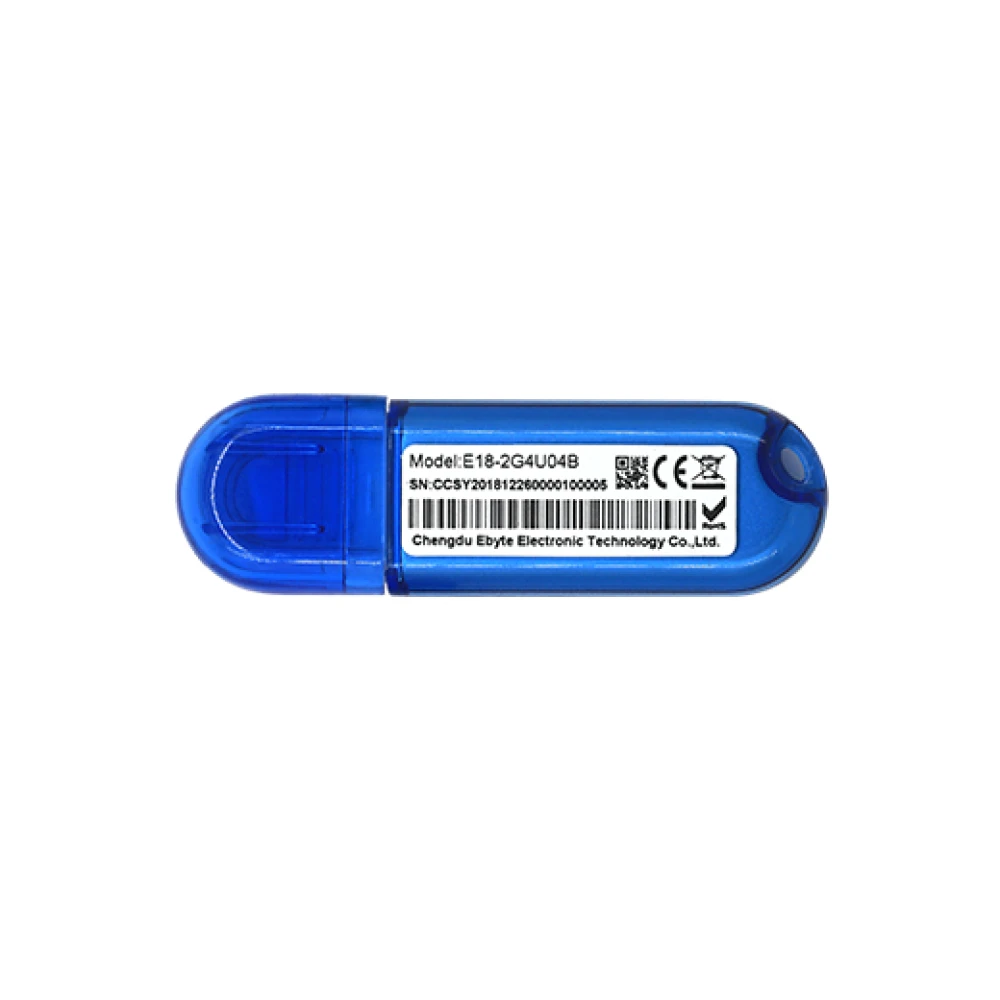
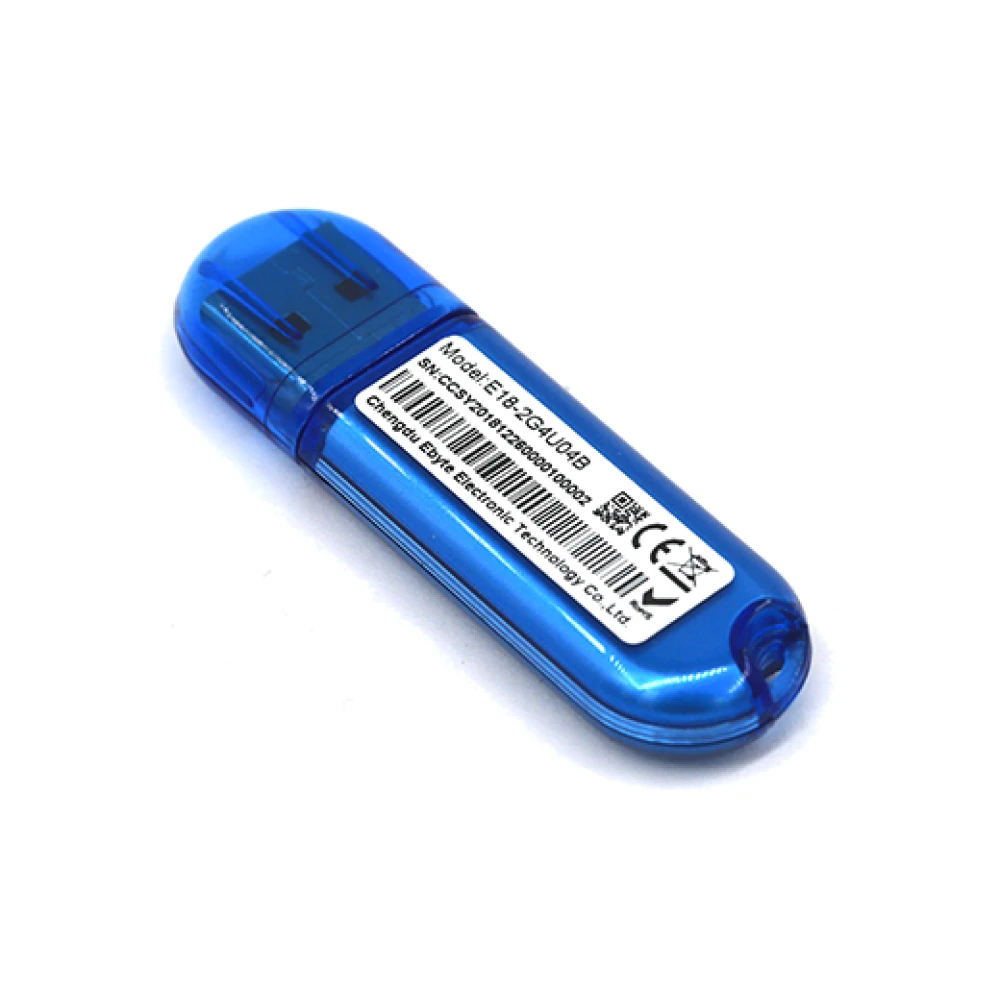
Adaptateur USB Zigbee CC2531 pour maison connectée - Sniffer de paquets
Marque : satkit
8,64€
TVA incluse (HT : 7,20€)
Plus que 4 en stock - commandez vite !
Livraison standard
Mer, Avr 22 - Ven, Avr 24
Livraison express
Lun, Avr 20 - Mar, Avr 21
Retours sous 30 jours
Retours gratuits sous 30 jours
Transaction sécurisée






Share:
Livraison gratuite
Pour les commandes de plus de 300€
Retours faciles
Politique de retour de 30 jours
Paiement sécurisé
Paiement 100% sécurisé
Garantie de qualité
Produits d'origine uniquement
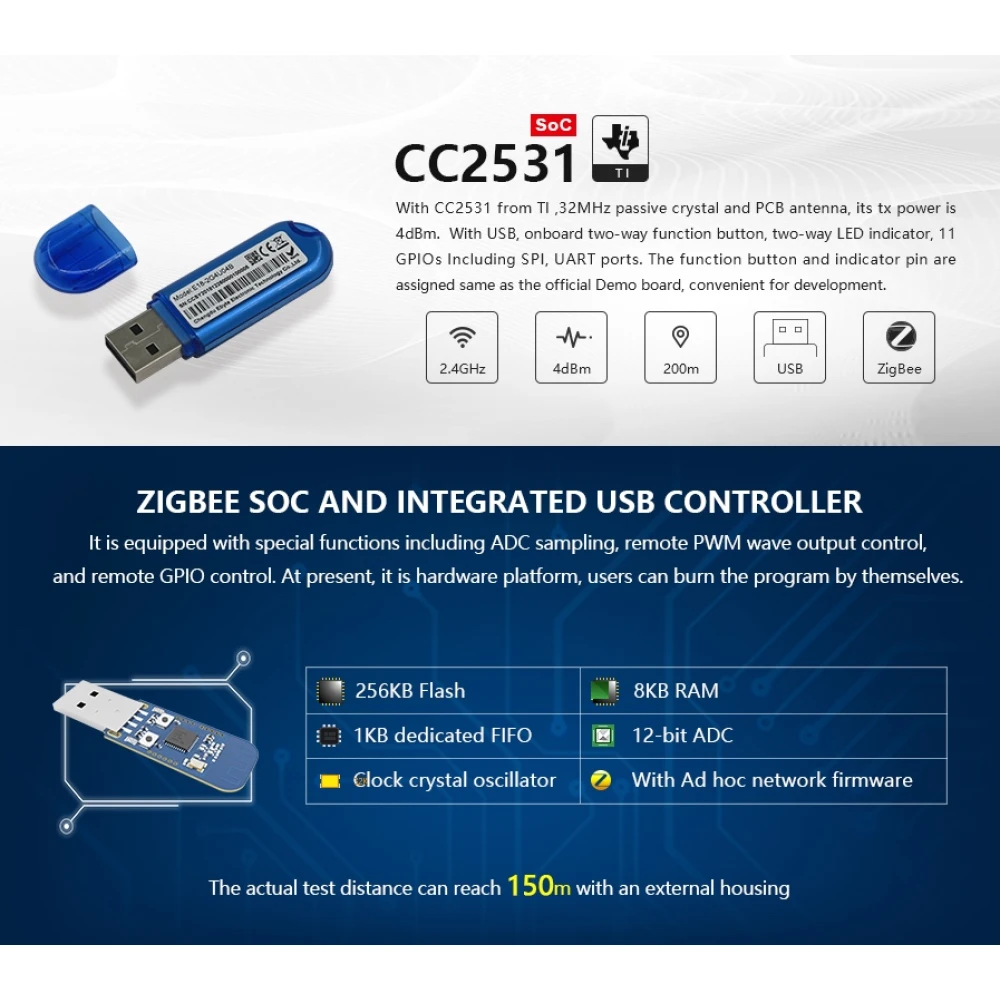
L’adaptateur USB Zigbee CC2531 est un appareil essentiel pour ceux qui souhaitent intégrer et contrôler des équipements de domotique dans la maison connectée. Ce transceiver ZigBee / IEEE 802.15.4 intègre un CPU 8051 et une interface USB sur une seule puce, ce qui le rend compact et efficace.
Grâce à son port de programmation, vous pouvez charger un firmware personnalisé qui transforme l’appareil en concentrateur Zigbee, permettant de remplacer de nombreuses passerelles ZigBee propriétaires. Cela facilite le contrôle de divers appareils comme des lampes connectées, des capteurs de température et des interrupteurs, tout en augmentant la compatibilité et la flexibilité de votre système d’automatisation.
Cet adaptateur peut être utilisé directement avec des adaptateurs compatibles ou connecté à une Raspberry Pi (ou Pi orange, entre autres) pour fonctionner comme une passerelle distante ZigBee vers MQTT. Cette configuration permet de placer l’appareil à l’endroit optimal afin d’améliorer la portée et la stabilité du réseau Zigbee.
Caractéristiques principales
- Chip : CC2531 de Texas Instruments
- Fréquence de fonctionnement : 2.394 à 2.507 GHz
- Protocole : Zigbee / IEEE 802.15.4
- Distance maximale : Jusqu’à 1500 mètres en extérieur
- Interface : USB pour une connexion facile
- Intégration : CPU 8051 intégré et transceiver sans fil
- Amplification : Inclut PA + LNA pour améliorer la portée et la stabilité
- Fonctions supplémentaires : Échantillonnage ADC, contrôle à distance PWM et GPIO
Utilisations typiques
- Contrôle et surveillance d’appareils Zigbee dans les systèmes de domotique
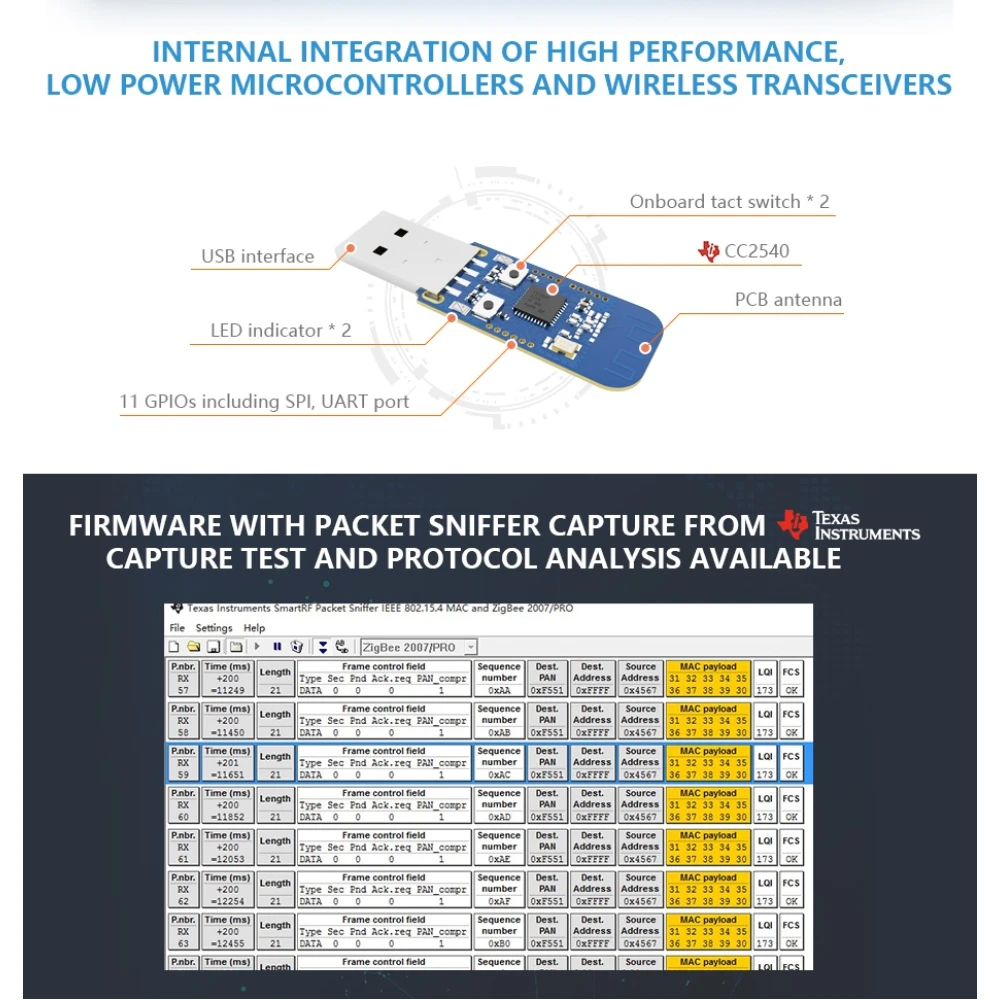
- Développement et test de firmware personnalisé pour les réseaux Zigbee
- Mise en place de passerelles Zigbee sur Raspberry Pi pour une automatisation avancée
- Sniffer de paquets pour l’analyse et le diagnostic des réseaux Zigbee
Compatibilité
Cet adaptateur est compatible avec les systèmes prenant en charge le protocole Zigbee et peut s’intégrer aux plateformes de maison connectée permettant l’utilisation d’appareils USB ou de passerelles basées sur Raspberry Pi. Il est idéal pour les utilisateurs qui souhaitent personnaliser leur réseau Zigbee et améliorer la couverture ainsi que le contrôle de leurs appareils connectés.
Contenu du colis
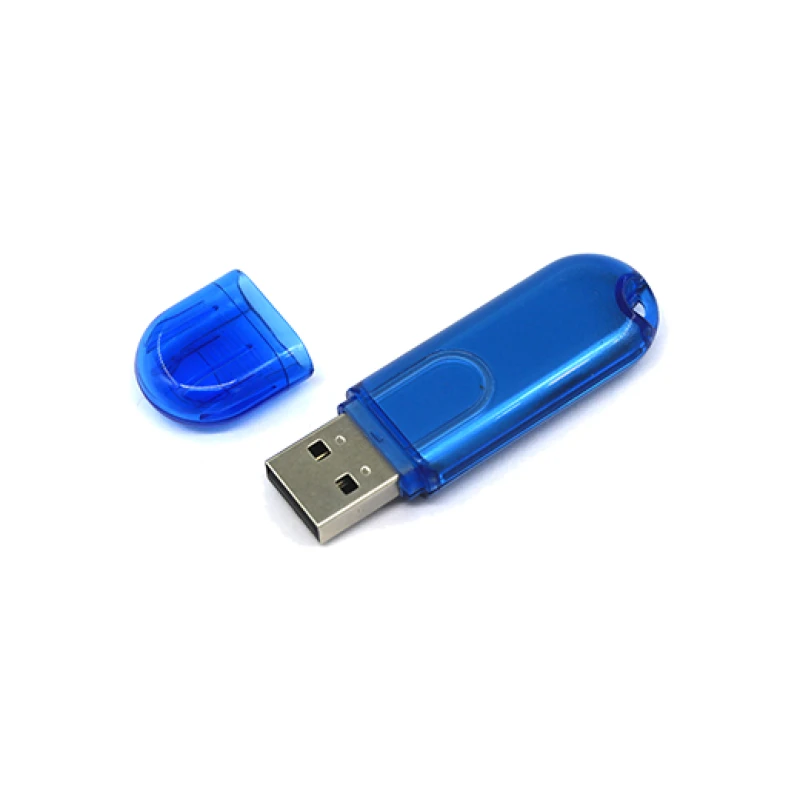
- 1 x Adaptateur USB Zigbee CC2531 (modèle E18-2G4U04B) avec firmware préinstallé
- Transceiver ZigBee CC2531 avec CPU 8051 intégrée
- Fréquence de fonctionnement de 2.394 à 2.507 GHz
- Protocole Zigbee / IEEE 802.15.4 compatible
- Portée maximale jusqu’à 1500 mètres en extérieur
- Interface USB pour une connexion simple
- Inclut une amplification PA + LNA pour une meilleure stabilité
- Permet de charger un firmware personnalisé pour des fonctions avancées
- Idéal pour la domotique et l’analyse des réseaux Zigbee
Questions & Réponses des clients
Quin és el procediment recomanat per instal·lar i posar en marxa aquest sniffer Zigbee CC2531?
El procediment habitual consisteix a inserir l’adaptador USB al port d’un ordinador o microordinador (com Raspberry Pi). Si cal actualitzar el firmware, implica l’ús d’un programador CC debugger i un programari com 'Zadig' per instal·lar el driver USB adequat. Els passos inclouen flashejar el firmware apropiat (per exemple, Zigbee2MQTT o sniffer) i, en alguns casos, instal·lar dependències de programari al sistema amfitrió. El procés normalment requereix coneixements bàsics de programari i controladors, però no sol superar els 20 minuts. És recomanable consultar la documentació del firmware escollit abans de començar.
Quin abast realista de comunicació sense fil es pot esperar en interiors i quins factors l’afecten?
Tot i que l’abast màxim especificat és de fins a 1500 m a l’exterior en condicions ideals, en entorns interiors típics (parets, interferències Wi-Fi 2,4 GHz), el rang pràctic sol oscil·lar entre 10 i 30 metres. Factors com la presència d’obstacles, altres dispositius que operen a la banda de 2,4 GHz i la qualitat de l’alimentació elèctrica poden reduir l’abast efectiu. L’ús de routers Zigbee addicionals pot ampliar la cobertura de la xarxa.
Aquest dispositiu compleix alguna normativa d’emissions i seguretat elèctrica aplicable a la UE o Amèrica?
El CC2531 i els mòduls basats en el xip TI CC2531 solen complir les normes generals de compatibilitat electromagnètica (EMC) i freqüència (ETSI EN 300 328 per a Europa, FCC Part 15 per als EUA), però la certificació específica depèn de l’assemblador final o del distribuïdor. Aquest adaptador en particular no es lliura amb informe de conformitat CE ni FCC al consumidor, de manera que la responsabilitat del seu ús legal recau en l’usuari. No disposa d’aïllament galvànic, per la qual cosa només és apte per a ús en dispositius de baixa tensió USB sota supervisió.
What is the recommended procedure to install and get this CC2531 Zigbee sniffer up and running?
The usual procedure is to plug the USB adapter into a computer or single-board computer (such as Raspberry Pi). If a firmware update is required, this involves using a CC debugger programmer and software such as 'Zadig' to install the correct USB driver. The steps include flashing the appropriate firmware (for example, Zigbee2MQTT or sniffer firmware) and, in some cases, installing software dependencies on the host system. The process typically requires basic knowledge of software and drivers, but usually takes no more than 20 minutes. It is advisable to consult the documentation for the chosen firmware before starting.
What realistic wireless communication range can be expected indoors, and what factors affect it?
Although the maximum specified range is up to 1500 m outdoors under ideal conditions, in typical indoor environments (walls, 2.4 GHz Wi-Fi interference), the practical range is usually between 10 and 30 metres. Factors such as obstacles, other devices operating in the 2.4 GHz band and the quality of the power supply can reduce the effective range. Using additional Zigbee routers can extend network coverage.
Does this device comply with any applicable emissions and electrical safety regulations in the EU or the Americas?
The CC2531 and modules based on the TI CC2531 chip usually comply with general electromagnetic compatibility (EMC) and frequency standards (ETSI EN 300 328 for Europe, FCC Part 15 for the US), but specific certification depends on the final assembler or distributor. This adapter is not supplied to the consumer with a CE or FCC conformity report, so the user is responsible for lawful use. It has no galvanic isolation, so it is only suitable for use with low-voltage USB devices under supervision.
What is the recommended procedure for installing and setting up this CC2531 Zigbee sniffer?
The usual procedure is to insert the USB adapter into the port of a computer or microcomputer (such as a Raspberry Pi). If firmware updating is required, this involves using a CC debugger programmer and software such as 'Zadig' to install the correct USB driver. The steps include flashing the appropriate firmware (for example, Zigbee2MQTT or sniffer) and, in some cases, installing software dependencies on the host system. The process typically requires basic knowledge of software and drivers, but usually takes no more than 20 minutes. It is advisable to consult the documentation for the chosen firmware before starting.
What realistic wireless communication range can be expected indoors, and what factors affect it?
Although the maximum specified range is up to 1500 m outdoors under ideal conditions, in typical indoor environments (walls, 2.4 GHz Wi-Fi interference), the practical range is usually between 10 and 30 metres. Factors such as obstacles, other devices operating in the 2.4 GHz band and the quality of the power supply can reduce the effective range. Using additional Zigbee routers can extend network coverage.
Does this device comply with any applicable emissions and electrical safety regulations in the EU or the Americas?
The CC2531 and modules based on the TI CC2531 chip usually comply with general electromagnetic compatibility (EMC) and frequency standards (ETSI EN 300 328 for Europe, FCC Part 15 for the US), but specific certification depends on the final assembler or distributor. This adapter in particular is not supplied to the consumer with a CE or FCC conformity report, so responsibility for lawful use lies with the user. It does not have galvanic isolation, so it is only suitable for use with low-voltage USB devices under supervision.
Vilket rekommenderat förfarande finns för att installera och komma igång med denna CC2531 Zigbee-sniffer?
Det vanliga förfarandet är att sätta in USB-adaptern i porten på en dator eller mikrodator (som Raspberry Pi). Om firmwareuppdatering krävs innebär det användning av en CC debugger och programvara som 'Zadig' för att installera rätt USB-drivrutin. Stegen inkluderar att flasha lämplig firmware (till exempel Zigbee2MQTT eller sniffer) och i vissa fall installera programvaruberoenden på värdsystemet. Processen kräver vanligtvis grundläggande kunskap om programvara och drivrutiner, men tar normalt inte mer än 20 minuter. Det rekommenderas att läsa dokumentationen för den valda firmwaren innan du börjar.
Écrire un avis client
Les clients ayant acheté cet article ont également acheté
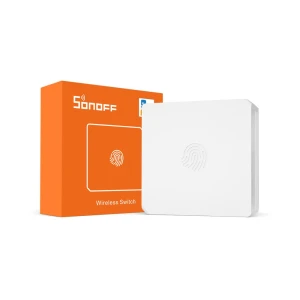
SONOFF ZigBee Interrupteur sans fil SNZB-01 à simple, double et longue pression
7,92€
Plus que 3 en stock
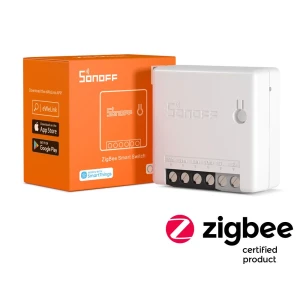
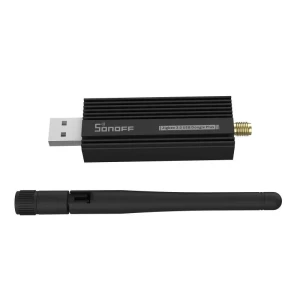
SONOFF ZBDongle-P passerelle Zigbee 3.0 USB Plus avec antenne pour Home Assistant et Open HAB
22,80€
Plus que 3 en stock
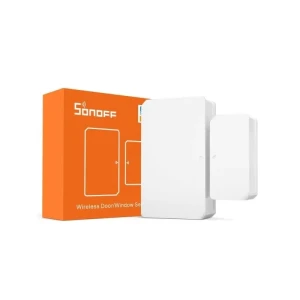
SONOFF SNZB-04 - Capteur d'ouverture de porte ZigBee sans fil pour la domotique
8,33€
Plus que 3 en stock
Vos articles récemment consultés
Station séparateur d’écrans LCD Mlink LCD3 pour iPhone 4/4S/5/5S/5C et Galaxy S3 S4
48,00€
Plus que 5 en stock

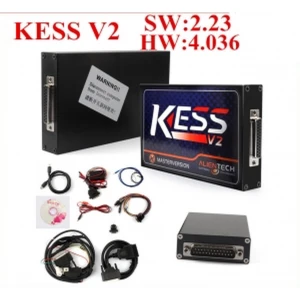
Kess V2.23 OBD2 Manager Tuning Kit HW V4.036 Sans limite de tokens - Version Master
112,80€
Plus que 8 en stock
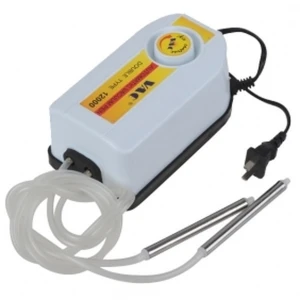 Adaptateur USB Zigbee CC2531 pour maison connectée - Sniffer de paquets
8,64€