


4,80€
En stock
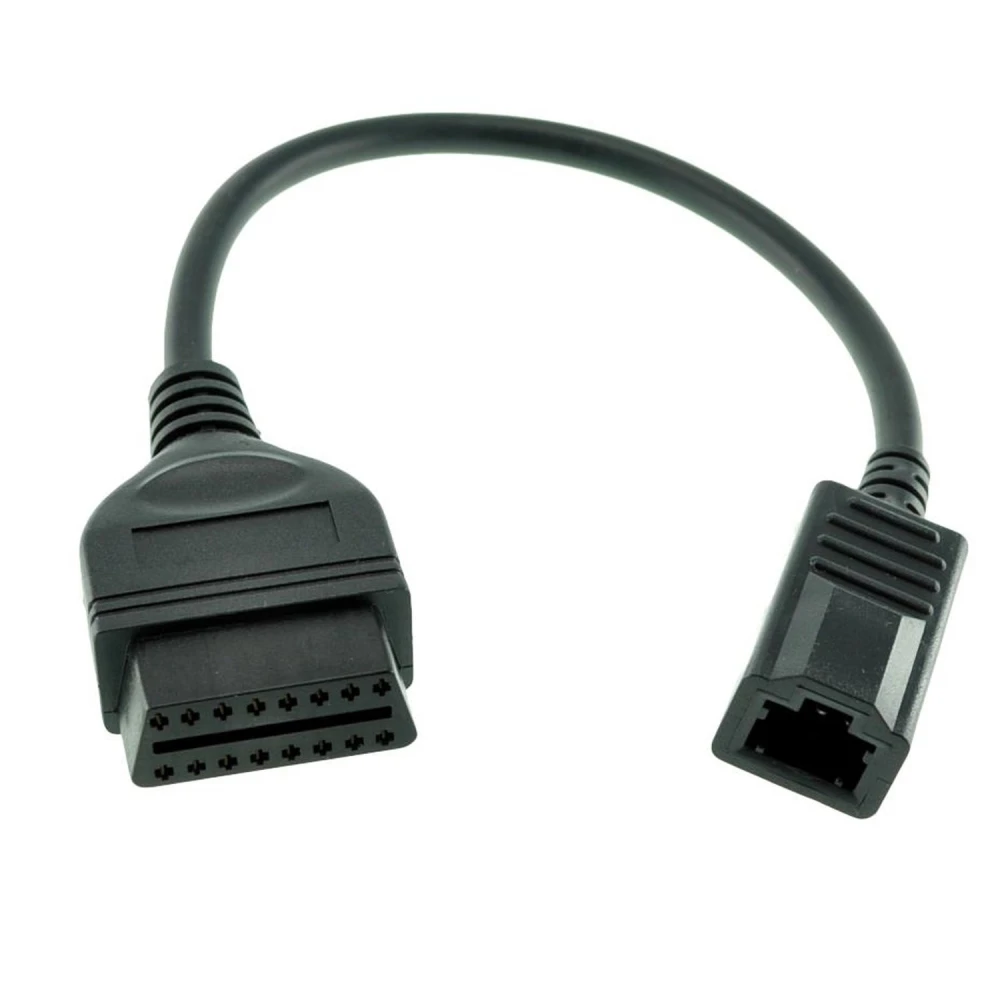
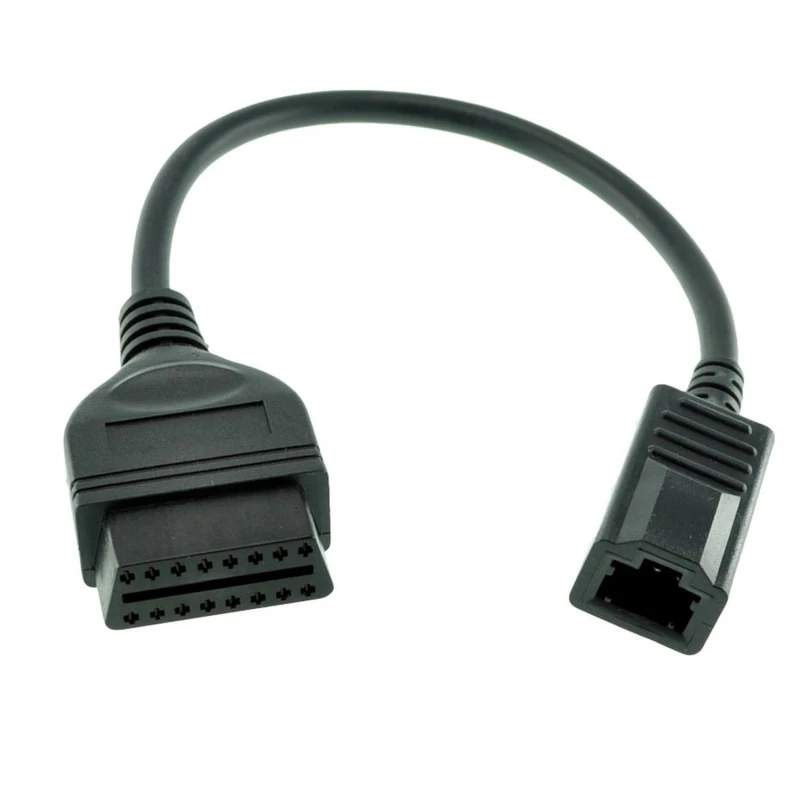
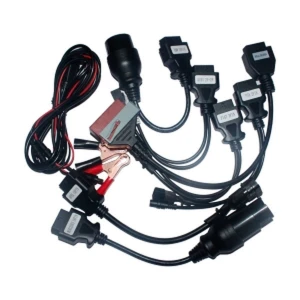
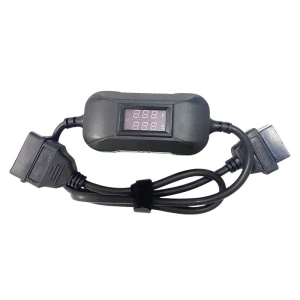
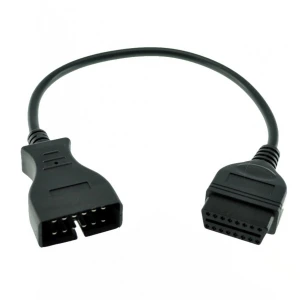
Adaptateur Honda 3 broches vers 16 broches OBDII pour diagnostic auto
Marque : satkit
4,80€
TVA incluse (HT : 4,00€)
Stock limité
Livraison standard
Mer, Avr 22 - Ven, Avr 24
Livraison express
Lun, Avr 20 - Mar, Avr 21
Retours sous 30 jours
Retours gratuits sous 30 jours
Transaction sécurisée






Share:
Livraison gratuite
Pour les commandes de plus de 300€
Retours faciles
Politique de retour de 30 jours
Paiement sécurisé
Paiement 100% sécurisé
Garantie de qualité
Produits d'origine uniquement
L’adaptateur Honda 3 broches vers 16 broches OBDII est un adaptateur conçu pour les véhicules Honda équipés d’un connecteur de diagnostic 3 broches et devant être raccordés à des outils de diagnostic OBDII standard avec connecteur 16 broches. Cet adaptateur permet une connexion simple et fiable pour réaliser des diagnostics automobiles, facilitant la lecture des codes d’erreur et l’entretien préventif.
Caractéristiques principales :
- Adaptateur de connecteur Honda 3 broches vers OBDII 16 broches.
- Compatible avec les véhicules Honda utilisant un connecteur de diagnostic 3 broches.
- Construction robuste pour garantir durabilité et connexion stable.
- Facile à utiliser, sans besoin d’outils supplémentaires pour l’installation.
- Idéal pour les ateliers mécaniques et les particuliers ayant besoin d’un diagnostic automobile.
Utilisations typiques :
- Connecter des valises de diagnostic OBDII standard à des véhicules Honda avec connecteur 3 broches.
- Réaliser des diagnostics moteur et des systèmes électroniques sur des voitures Honda anciennes ou spécifiques.
- Faciliter la réparation et l’entretien grâce à la lecture des codes d’erreur.
Compatibilité :
Cet adaptateur est compatible avec les modèles Honda équipés d’un connecteur de diagnostic 3 broches. Il est important de vérifier le type de connecteur de votre véhicule avant d’acheter cet adaptateur afin de garantir son bon fonctionnement.
Spécifications techniques :
- Type de connecteur d’entrée : Honda 3 pin.
- Type de connecteur de sortie : OBDII 16 pin.
- Matériau : Plastique résistant et contacts métalliques pour une bonne conductivité.
Avec cet adaptateur, vous pourrez utiliser les outils de diagnostic OBDII standard pour maintenir votre véhicule Honda en bon état et détecter d’éventuelles pannes rapidement et efficacement.
- Adaptateur de connecteur Honda 3 broches vers OBDII 16 broches.
- Compatible avec les véhicules Honda équipés d’un connecteur 3 broches.
- Construction robuste pour une durabilité et une connexion stable.
- Installation facile sans outils supplémentaires.
- Idéal pour le diagnostic et l’entretien automobile.
Questions & Réponses des clients
Quines són les dimensions, el pes i el material de fabricació de l'adaptador?
L'adaptador típic mesura aproximadament 25 cm de longitud, té un pes proper als 70 g i està fabricat amb cable flexible de coure i connectors de plàstic ABS d'alta durabilitat. Aquestes característiques faciliten la manipulació i l'emmagatzematge sense risc de trencament en un ús normal.
Puc utilitzar el convertidor per fer diagnòstics amb el motor en marxa i quins són els límits operatius de temperatura i voltatge?
Sí, es pot utilitzar amb el motor en marxa sempre que es facin procediments de diagnòstic electrònic. El cable suporta temperatures de funcionament entre -20 °C i 60 °C, i està dissenyat per a voltatges de sistemes elèctrics d'automoció (12 V DC estàndard). No s'ha d'utilitzar com a adaptador de potència ni per a transferències de corrent prolongades.
Quins problemes solen aparèixer amb aquest tipus d'adaptadors i com es poden solucionar?
Els problemes més habituals inclouen connexió intermitent per pinces fluixes, incompatibilitat entre l'scanner i el vehicle, o cables interns danyats. Es recomana verificar la fermesa dels dos extrems, comprovar la compatibilitat de protocols i evitar estirades o doblecs forts. Si falla la comunicació, provar amb un altre scanner o revisar la continuïtat amb un multímetre pot ajudar a diagnosticar el problema.
What are the dimensions, weight and manufacturing material of the adapter?
The typical adapter measures approximately 25 cm in length, weighs around 70 g, and is made from flexible copper cable and highly durable ABS plastic connectors. These features make it easy to handle and store, with no risk of breakage under normal use.
Can I use the converter for diagnostics with the engine running, and what are the operating temperature and voltage limits?
Yes, it can be used with the engine running while carrying out electronic diagnostic procedures. The cable supports operating temperatures between -20 °C and 60 °C, and is designed for automotive electrical system voltages (standard 12 V DC). It must not be used as a power adapter or for prolonged current transfer.
What problems usually occur with this type of adapter and how can they be solved?
The most common issues include intermittent connection due to loose clips, incompatibility between the scanner and the vehicle, or damaged internal cables. It is recommended to check both ends are firmly connected, confirm protocol compatibility, and avoid pulling or bending the cable sharply. If communication fails, trying another scanner or checking continuity with a multimeter can help diagnose the problem.
What are the dimensions, weight and manufacturing material of the adapter?
The typical adapter measures approximately 25 cm in length, weighs around 70 g, and is made from flexible copper cable and highly durable ABS plastic connectors. These features make it easy to handle and store, with no risk of breakage under normal use.
Can I use the converter for diagnostics with the engine running, and what are the operating temperature and voltage limits?
Yes, it can be used with the engine running while carrying out electronic diagnostic procedures. The cable withstands operating temperatures between -20 °C and 60 °C, and is designed for automotive electrical system voltages (standard 12 V DC). It must not be used as a power adapter or for prolonged current transfer.
What problems usually occur with this type of adapter and how can they be solved?
The most common issues include intermittent connection due to loose clips, incompatibility between the scanner and the vehicle, or damaged internal cables. It is recommended to check both ends are firmly connected, confirm protocol compatibility, and avoid pulling or sharp bending. If communication fails, trying another scanner or checking continuity with a multimeter can help diagnose the problem.
Vilka är adapterns mått, vikt och tillverkningsmaterial?
Den typiska adaptern är cirka 25 cm lång, väger runt 70 g och är tillverkad med flexibel kopparkabel och slitstarka ABS-plastkontakter. Dessa egenskaper gör den enkel att hantera och förvara utan risk för brott vid normal användning.
Écrire un avis client
Les clients ayant acheté cet article ont également acheté
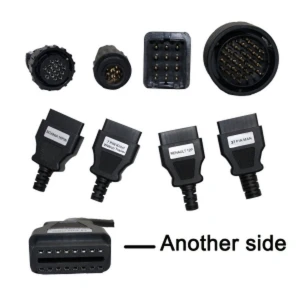
Kit professionnel câbles OBDII pour camions Konnwei - Diagnostic efficace
37,20€
Plus que 2 en stock
Vos articles récemment consultés
Adaptateur Honda 3 broches vers 16 broches OBDII pour diagnostic auto
4,80€