

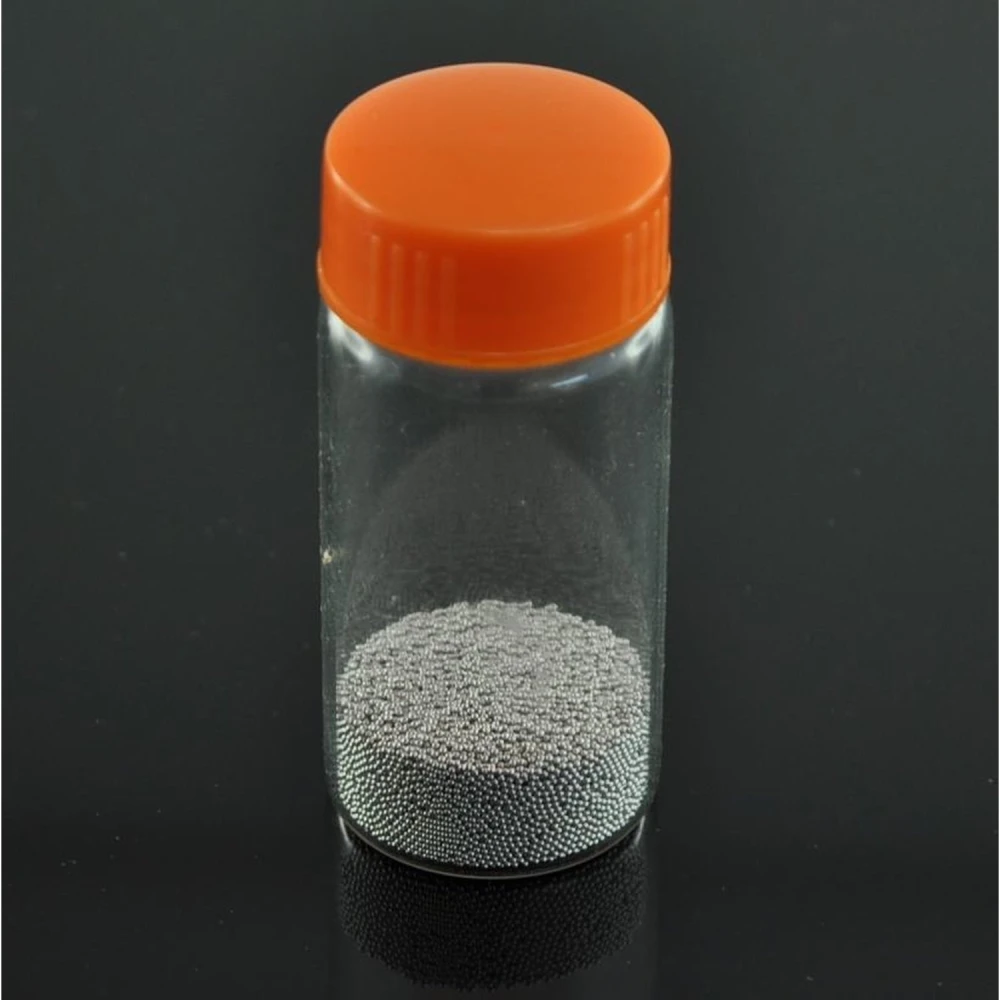
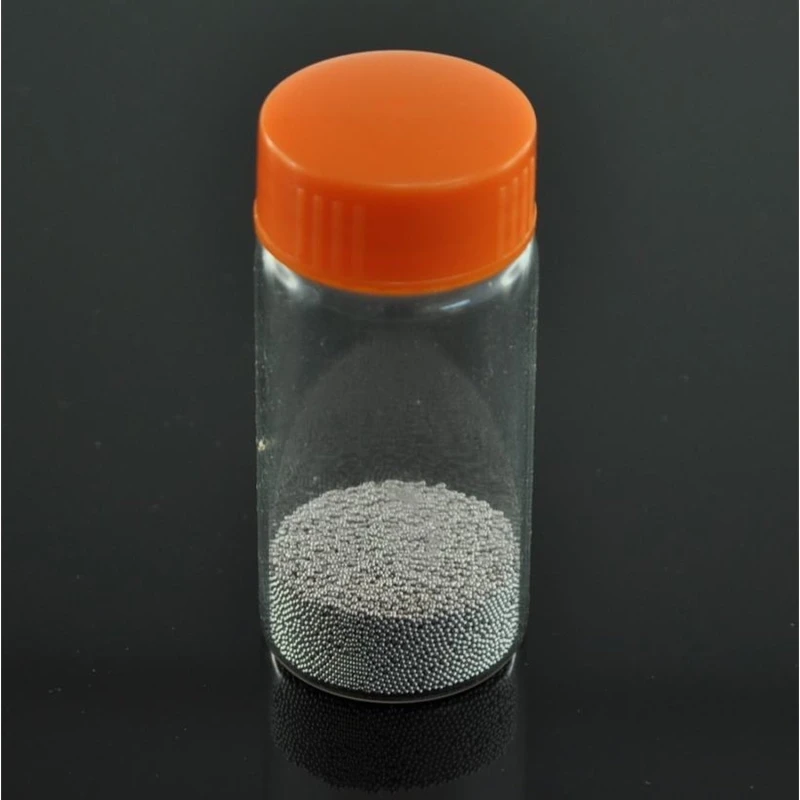
Bocal de billes d’étain sans plomb 0,25mm 25.000 unités pour soudure électronique
Marque : Pmtc
TVA incluse (HT : 6,00€)


Le bocal de billes d’étain sans plomb 0,25mm 25.000 unités est un produit spécialisé pour les applications de soudure électronique, particulièrement adapté aux processus de reballing et à la réparation de composants BGA. Ce produit garantit une soudure propre et efficace sans utilisation de plomb, conformément aux normes environnementales et de sécurité.
Caractéristiques principales :
- Composition : 96.5% étain (Sn), 3.0% argent (Ag), 0.5% cuivre (Cu), assurant une excellente conductivité et une résistance mécanique.
- Taille des billes : 0,25 mm, idéale pour les travaux de précision en électronique.
- Quantité : 25.000 unités par bocal, offrant un stock adapté à de multiples réparations ou projets.
- Fabricant : Profound Material Technology (PMTC), reconnu pour la qualité de ses matériaux de soudure.
- Origine : Taiwan, garantissant des standards de fabrication rigoureux.
- Produit sans plomb : Conforme aux normes RoHS pour un travail plus sûr et plus respectueux de l’environnement.
Utilisations typiques :
- Reballing de puces BGA et de composants électroniques.
- Réparations et maintenance de cartes électroniques.
- Soudure sur stations professionnelles pour l’électronique de précision.
Compatibilité : Compatible avec les stations de soudure et les outils de reballing fonctionnant avec des billes d’étain sans plomb de 0,25 mm.
Ce bocal de billes d’étain est une solution professionnelle pour les techniciens et les passionnés qui recherchent des matériaux de haute qualité pour la soudure sans plomb. Bien qu’il soit actuellement en rupture de stock, nous vous recommandons de surveiller son réapprovisionnement afin de ne pas manquer l’occasion d’acheter ce produit essentiel pour les travaux de soudure électronique.
- Composition 96.5Sn-3.0Ag-0.5Cu pour une soudure de haute qualité
- Billes d’étain sans plomb de 0,25 mm pour la précision en électronique
- 25.000 unités par bocal pour de multiples utilisations
- Fabriqué par Profound Material Technology (PMTC) à Taiwan
- Idéal pour le reballing et la réparation de composants BGA
- Conforme aux normes RoHS pour une soudure sûre et respectueuse de l’environnement
Questions & Réponses des clients
Are these 0.25 mm balls compatible with all BGA reballing processes, or are there usage restrictions?
The 0.25 mm diameter is suitable for fine-pitch BGA chips, common in mobile devices. It is not universal: before use, check the BGA package specifications, as for pitches above 0.5 mm they may be insufficient. It is essential to verify the mesh pattern or stencil used.
What handling and storage precautions are recommended to prevent oxidation or contamination of the solder balls?
It is recommended to store the jar sealed, in a dry environment and at a temperature between 15-25 °C. Avoid humidity above 50% and contact with dust or grease. Use clean anti-static tweezers and non-reactive plastic containers during handling. Do not leave exposed to open air for long periods.
What are the typical dimensional tolerances of the balls and what impact does this have on reballing performance?
The typical tolerance for 0.25 mm balls is ±0.01 mm. Tolerances outside this range can cause poor alignment and weak contact in BGA reballing processes, creating risks of short circuits or cold joints.
What performance and reliability difference can be expected when using lead-free SAC305 balls compared with alternatives such as Sn63Pb37 in industrial environments?
SAC305 offers greater mechanical strength and complies with lead restrictions, but requires a higher soldering temperature. Sn63Pb37 (with lead) usually flows better at a lower temperature (183 °C vs 217 °C), which minimises thermal stress on sensitive PCBs. In industrial environments regulated by RoHS, only SAC305 is acceptable.
Are these 0.25 mm balls compatible with all BGA reballing processes, or are there usage restrictions?
The 0.25 mm diameter is suitable for fine-pitch BGA chips, common in mobile devices. It is not universal: before use, check the BGA package specifications, as for pitches above 0.5 mm they may be insufficient. It is essential to verify the mesh pattern or stencil used.
What handling and storage precautions are recommended to avoid oxidation or contamination of the solder balls?
It is recommended to store the jar closed, in a dry environment at a temperature between 15-25 °C. Avoid humidity above 50% and contact with dust or grease. Use clean anti-static tweezers and non-reactive plastic containers during handling. Do not leave exposed to open air for long periods.
What are the typical dimensional tolerances of the balls and what impact does this have on reballing performance?
The typical tolerance for 0.25 mm balls is ±0.01 mm. Tolerances outside this range can cause poor alignment and weak contact in BGA reballing processes, creating risks of short circuits or cold joints.
What performance and reliability difference can be expected when using lead-free SAC305 balls compared with alternatives such as Sn63Pb37 in industrial environments?
SAC305 offers greater mechanical strength and complies with lead restrictions, but requires a higher soldering temperature. Sn63Pb37 (with lead) usually flows better at a lower temperature (183 °C vs 217 °C), which minimises thermal stress on sensitive PCBs. In industrial environments regulated by RoHS, only SAC305 is acceptable.
Är dessa 0,25 mm-kulor kompatibla med alla BGA-reballingprocesser eller finns det användningsbegränsningar?
Diametern 0,25 mm lämpar sig för BGA-chip med fin pitch, vanliga i mobila enheter. Den är inte universell: kontrollera kapslingens BGA-specifikationer innan användning, eftersom den kan vara otillräcklig för pitches över 0,5 mm. Det är viktigt att verifiera nätets eller schablonens mönster.
Vilka hanterings- och förvaringsåtgärder rekommenderas för att undvika oxidation eller kontaminering av tennkulorna?
Det rekommenderas att förvara burken stängd, i en torr miljö och vid en temperatur mellan 15–25 °C. Undvik luftfuktighet över 50 % och kontakt med damm eller fett. Använd rena antistatiska pincetter och icke-reaktiva plastbehållare vid hantering. Utsätt inte produkten för fri luft under längre tid.
Écrire un avis client
Les clients ayant acheté cet article ont également acheté
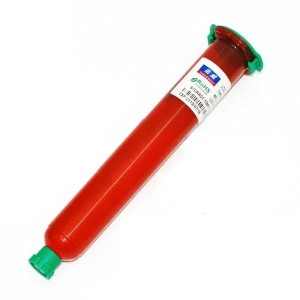
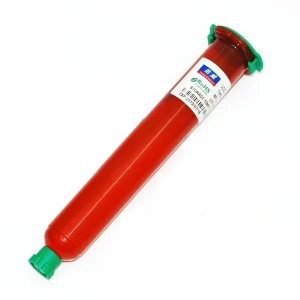
Tube 50 g colle UV LOCA TP-2500F pour réparation professionnelle d’écrans LCD
Vos articles récemment consultés